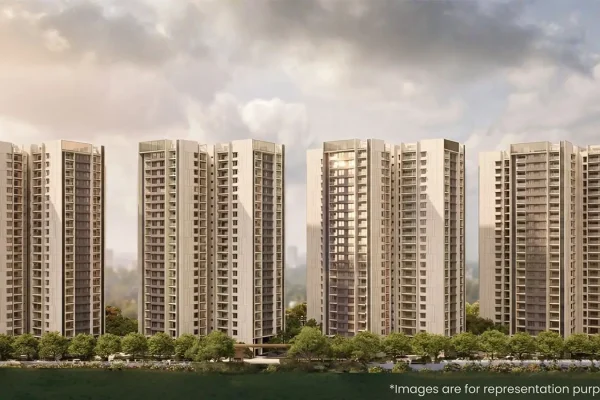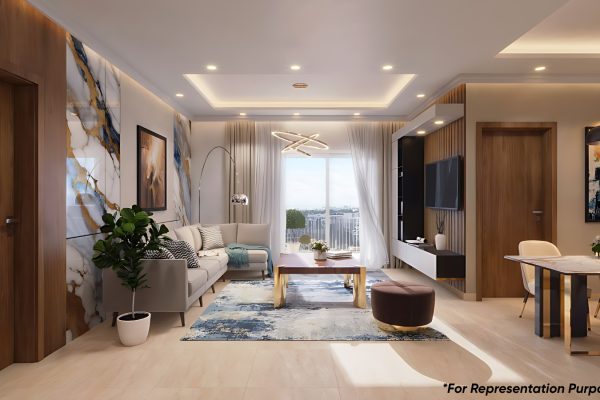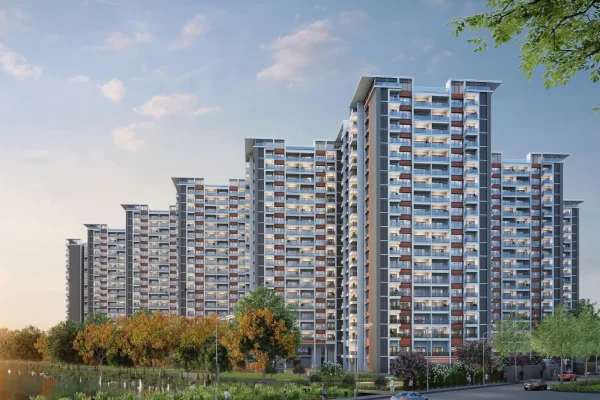
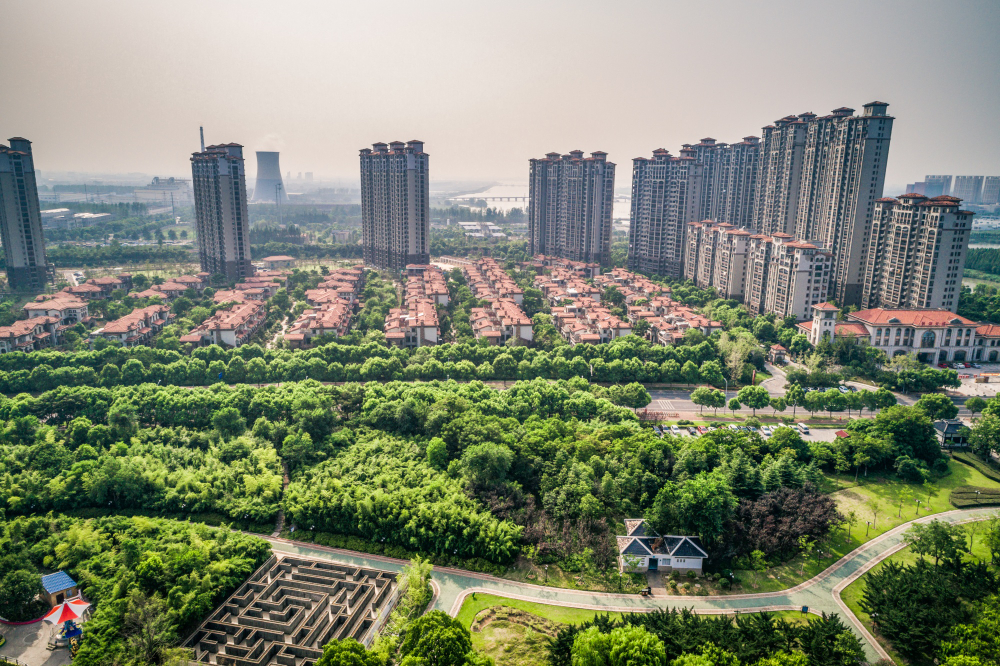
Some might remember the days when Bangalore used to be a small city with lush greenery, away from the touch of modernization, with fewer public transportation facilities and a lack of updated amenities. But since the development took off around the 1990s, the city has gone on to become one of the most important urban centers in Asia. This urbanization materialized after the establishment of a good number of tech parks, IT companies, as well as booming startups in the city.
With job opportunities becoming plentiful, the city started welcoming talented youth from all over the country to migrate here and even embrace the city as home for the long term. As a result, the city has seen stupendous social and physical infrastructural growth.
With every phase of Bangalore development, the real estate landscape also grew in a significant way to meet the demand of renters and tenants. In fact, the future of real estate in Bangalore does not solely rely on building just homes. It is about how to integrate these properties into the larger ecosystem of infrastructure.
Bangalore Development: The Growth Journey
A city’s development is largely determined by its connectivity and physical infrastructure along with a few other crucial aspects. In the early 1990s is when Electronic City and Whitefield bloomed as technology hubs and began to attract multinational companies, proving to be a big turning point as far as the city’s stature today is concerned. Since then, demand for properties has also risen at a considerable rate around these locations and beyond. The Outer Ring Road was created as a means to manage traffic congestions, making commutes quick and hassle-free.
By the 2000s, there was a considerable surge in gated communities and integrated townships, especially in the eastern and southern parts of the city. With these developments, upgradation and construction also started for roads, flyovers, and metros. The game changer was, however, the establishment of the Kempegowda International Airport. The northern corridor started attracting builders to launch new projects, promoting and enhancing large-scale real estate activities.
Today, each zone of Bangalore north, east, south, west, and central has its own unique features, infrastructure projects, and investment story; hence, all of them are driving demand equally. This decentralized growth is one of the primary reasons why Bangalore has remained a more stable metro city than any other metro city in the real estate sector.
Factors Driving Real Estate Growth
Employment opportunities, infrastructural development, influx of people, varieties of properties, and other factors have led to the real estate growth. Here is a vivid breakdown of the factors:
- Technology Employment: The IT sector remains the top demand generator for properties. The establishment of a new tech park means more opportunities and more need for residential as well as commercial properties.
- Infrastructure Push: Metro lines, suburban rail, and peripheral ring roads enhance connectivity and reduce commute time, therefore paving the way for underdeveloped areas to be explored and settled in.
- Investment Confidence: Domestic buyers and NRIs see Bangalore as a safer investment option, assuring good ROI.
Emerging Micro-Markets in Bangalore
| Micro-Market | Key Drivers | Future Outlook |
|---|---|---|
| North Bangalore (Hebbal, Devanahalli, Yelahanka) | Airport, aerospace SEZ, major IT parks | High-end apartments, villas, and plotted communities |
| East Bangalore (Whitefield, Sarjapur Road) | Established IT hubs, metro, ORR | Balanced growth across affordable, mid, and premium homes |
| Central Bangalore | Limited land, historic demand | Ultra-luxury apartments, niche redevelopment |
| South Bangalore (JP Nagar, Kanakapura Road) | Strong social infrastructure, Metro Phase II | Stable mid-range housing, community living |
| West Bangalore (Magadi Road, Tumkur Road) | Industrial corridors, new metro lines | Upcoming affordable & mixed-use developments |
This table shows how different zones complement each other. While the north and east handle expansion, the central zone preserves exclusivity, and the south and west absorb steady demand.
The Future of Real Estate in Bangalore
The next decade is expected to be more developed. Builders are focusing on interior, quality, and smart homes. Along with these, the future of real estate in Bangalore will include:
- Larger mixed-use townships where residents can work, live, and relax without having to travel far.
- Smart homes offering app-based security, temperature control, and energy monitoring.
- Plotted developments with top-notch amenities, design, and safety.
- Emphasis on water management, rainwater harvesting, and energy efficiency
Luxury properties will also be paving their way more into the city. With startup founders and professionals seeking premium living, projects in all parts of Bangalore will remain in demand in the upcoming years for sure.
Challenges in the Growth Story
Though most aspects of Bangalore’s real estate market seem positive, there are some challenges. Traffic congestion affects productivity and adds to the hassle of commuters, particularly on the Outer Ring Road and in the Whitefield area. Another serious concern is water scarcity, especially in the summer. Delay in RERA approval for some projects also hinders investment.
However, these issues are now being addressed with strong planning, helping Bangalore to sustain its real estate growth.
Government Policy and Initiatives

The Karnataka government has become super-active and is launching a good number of projects to cope with the crisis. Projects on road development and metro expansions will make remote areas easily accessible. These measures might not bear results instantly, but will be effective in the long run.
Lifestyle and Liveability Dimension
Bangalore’s appeal mainly is for its climate and cosmopolitan culture. The city combines a global professional environment with a high standard of living and houses reputed schools, specialty hospitals, shopping districts, fine dining, and cultural experiences. These factors play an important role in choosing Bangalore over any other city.
With new projects, builders are not just launching fresh and unique properties but also ensuring residents enjoy everything within their premises. All these will align with the demand of the buyers who want not just homes but a self-sustained enclave.
Investment Perspective
Bangalore is still first in the race in terms of rapid development and demand for properties. Rental demand is steady here because of the inflow of professionals, and the vacancy rate is relatively low. Property value appreciation is also stable, so investors find the Bangalore real estate market safer to invest in than other metros. Homebuyers find properties here with good connectivity, design, and amenities, and hence prefer to settle in the city.